
Backyard Remodel Timeline: What Los Angeles Homeowners Should Expect
July 13, 2026
Concrete vs Fiberglass Pools: Which Is Best for You?
August 3, 2026
A backyard remodel can transform an underused outdoor area into a functional space for relaxing, entertaining, cooking, swimming, and spending time with family. However, even an attractive design can lead to expensive problems when important planning details are overlooked.
Common backyard remodeling mistakes often involve drainage, grading, materials, permits, lighting, shade, utilities, retaining walls, pool placement, and contractor selection. As a result, homeowners should evaluate the entire property before demolition or construction begins.
Green Advisor Inc. is an award-winning outdoor living contractor serving Los Angeles and Southern California. We specialize in custom pool construction, backyard remodeling, landscape design, hardscape installation, outdoor kitchens, patio covers, pavers, driveways, artificial turf, and complete outdoor living transformations.
Why Careful Backyard Remodeling Planning Matters
A backyard is more than a collection of individual features. Pools, patios, drainage systems, retaining walls, lighting, landscaping, utilities, and outdoor structures all affect one another.
For example, changing the patio elevation can affect drainage. Likewise, installing pavers before planning electrical or gas lines may require finished surfaces to be removed later.
Therefore, the best backyard remodels begin with a complete design that considers appearance, function, safety, maintenance, construction order, and long-term use.

Mistake 1: Ignoring Backyard Drainage
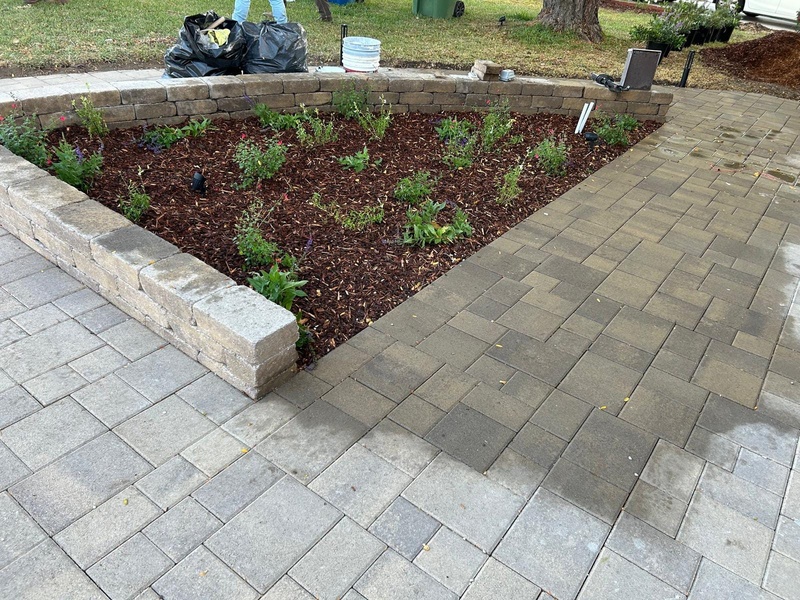
Ignoring drainage is one of the most serious backyard remodeling mistakes. Although drains and underground pipes are not usually visible after construction, they protect the property from standing water, erosion, damaged landscaping, unstable pavers, and moisture near the home.
Before installing new hardscape, contractors should evaluate:
- The direction water currently flows
- Existing low points and areas of standing water
- Downspout discharge locations
- Patio and walkway elevations
- Retaining wall drainage
- Pool deck slopes
- Artificial turf base preparation
- Water movement toward neighboring properties
Depending on the site, drainage improvements may include area drains, channel drains, catch basins, underground piping, French drains, or adjustments to the finished grade.
Proper drainage should be designed before pavers, turf, planting, or other finished surfaces are installed.
Mistake 2: Choosing Materials Based Only on Price
Choosing the least expensive material may reduce the initial proposal, but it can increase repair and replacement costs later. Outdoor materials must withstand sunlight, water, temperature changes, foot traffic, pool chemicals, and regular use.
Homeowners should compare materials based on:
- Durability
- Slip resistance
- Heat retention
- Maintenance requirements
- Fade resistance
- Installation method
- Warranty
- Compatibility with the home’s architecture
For example, a pool deck requires different performance characteristics than a decorative garden pathway. Similarly, driveway pavers must support heavier loads than patio pavers.
Professional paver and masonry installation should include proper excavation, base preparation, compaction, drainage slopes, edge restraint, and joint material. Even premium pavers can fail when the base is poorly installed.
Mistake 3: Starting Without a Clear Backyard Layout Plan
Starting construction without a complete layout can create awkward walkways, undersized seating areas, poor furniture placement, and disconnected features.
A well-planned backyard should define how people will move between:
- The home and patio
- The pool and seating areas
- The outdoor kitchen and dining space
- Side-yard entrances
- Steps and elevation changes
- Play areas and turf
- Fire features and gathering zones
- Gardens and planting beds
In addition, the layout should account for appliance doors, furniture dimensions, circulation space, gates, equipment access, and required clearances.
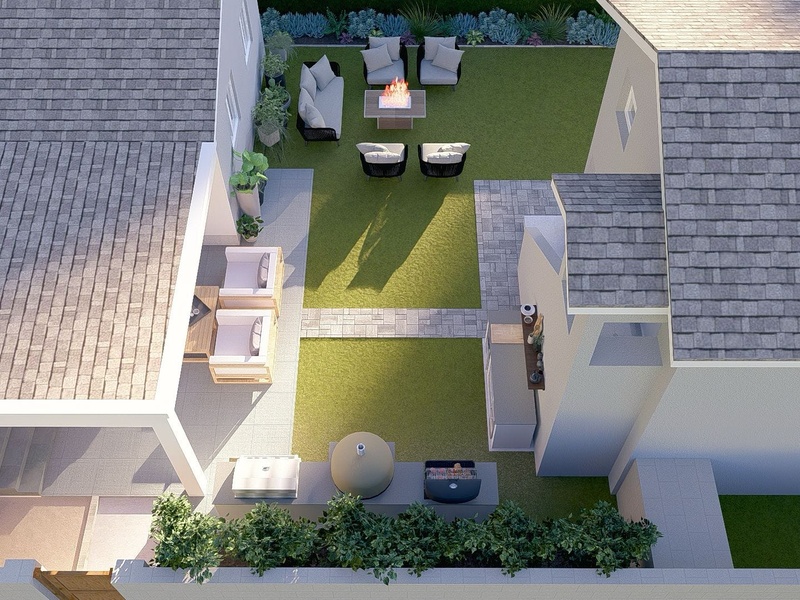
Green Advisor Inc. provides professional 3D design services that help homeowners visualize the complete layout before construction begins. As a result, design conflicts can often be corrected before they become expensive construction changes.
Mistake 4: Forgetting Outdoor Lighting
Outdoor lighting is often treated as a finishing detail. However, it should be planned before hardscape and landscaping are completed.
A complete lighting plan may include:
- Pathway lighting
- Step lights
- Patio and pergola lighting
- Pool and spa lighting
- Tree uplighting
- Outdoor kitchen task lighting
- Wall and architectural lighting
- Accent lighting around fire features
Planning early allows wiring, transformers, switches, and fixture locations to be coordinated with patios, walls, planting beds, and outdoor structures.
Without a lighting plan, the finished yard may feel dark, unsafe, or incomplete at night. Moreover, adding wiring after construction may require opening finished surfaces.

Mistake 5: Not Planning Enough Shade
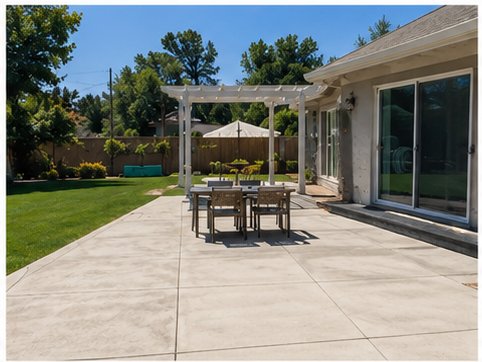
Los Angeles homeowners can enjoy outdoor spaces during much of the year, but direct sun can make patios and seating areas uncomfortable.
Shade should be considered during the initial design rather than added as an afterthought. Common options include:
- Covered patios
- Pergolas
- Solid roof structures
- Retractable shade systems
- Umbrellas
- Shade trees
- Covered outdoor kitchens
A professionally designed patio cover can create a more comfortable outdoor room while supporting lighting, ceiling fans, heaters, dining furniture, and entertainment features.
However, the structure should be coordinated with the home, property setbacks, drainage, electrical work, and surrounding landscape.
Mistake 6: Poor Pool and Patio Coordination
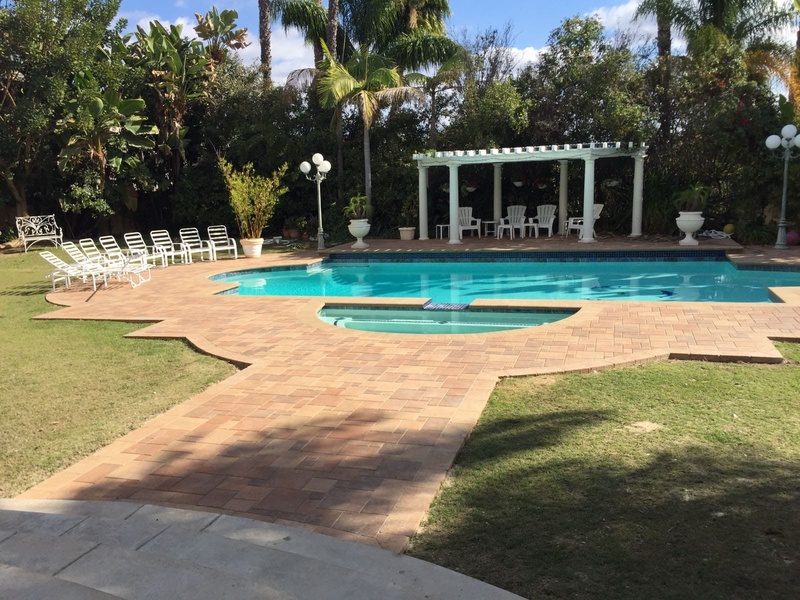
A pool should feel connected to the rest of the backyard. Poor coordination between the pool, patio, walkways, landscaping, and entertainment areas can create an awkward layout.
Before beginning pool construction, homeowners should consider:
- Pool orientation
- Sun exposure
- Views from inside the home
- Deck width
- Furniture placement
- Equipment location
- Drainage
- Safety and access
- Future outdoor kitchen or patio plans
Additionally, pool plumbing, electrical systems, equipment, decking, and inspections must be coordinated with the overall construction sequence.
Homeowners may also consider a luxury fiberglass pool, depending on the property, preferred style, maintenance goals, and project requirements.

Mistake 7: Installing Pavers Without Proper Base Preparation
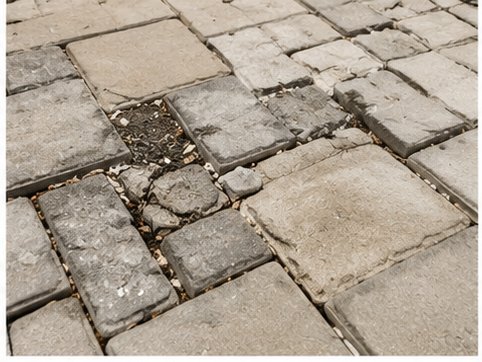
Pavers may look simple to install, but their long-term performance depends on what is underneath them.
Common installation problems include:
- Insufficient excavation
- Poor soil compaction
- An uneven aggregate base
- Incorrect drainage slopes
- Missing edge restraints
- Improper joint material
- Weak transitions between surfaces
As a result, pavers may settle, separate, rock, or collect water. These issues can become especially noticeable around pool decks, steps, driveways, and retaining walls.
A professional installer should prepare the base according to the soil conditions, expected use, and selected paving material.
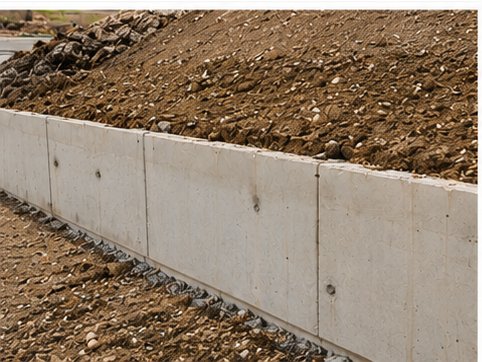

Mistake 8: Skipping Retaining Wall Engineering When Needed
Retaining walls can create level areas, support slopes, define planting beds, and improve the overall backyard layout. However, walls that hold significant soil loads require more than decorative masonry.
Depending on the wall height, location, and site conditions, proper construction may require:
- Structural design
- Footings
- Reinforcement
- Drainage behind the wall
- Waterproofing
- Soil evaluation
- Permits or inspections
Skipping engineering or drainage can lead to cracking, leaning, movement, or water pressure behind the wall.
Requirements vary by location and project scope. Therefore, homeowners should confirm applicable rules before construction. Los Angeles property owners can review general permit information through the Los Angeles Department of Building and Safety.
Mistake 9: Forgetting Utilities Until Construction Begins
Outdoor kitchens, fire features, pools, spas, lighting, fountains, and irrigation systems may require gas, water, electrical, or drainage connections.
These systems should be planned before patios and other finished surfaces are installed.
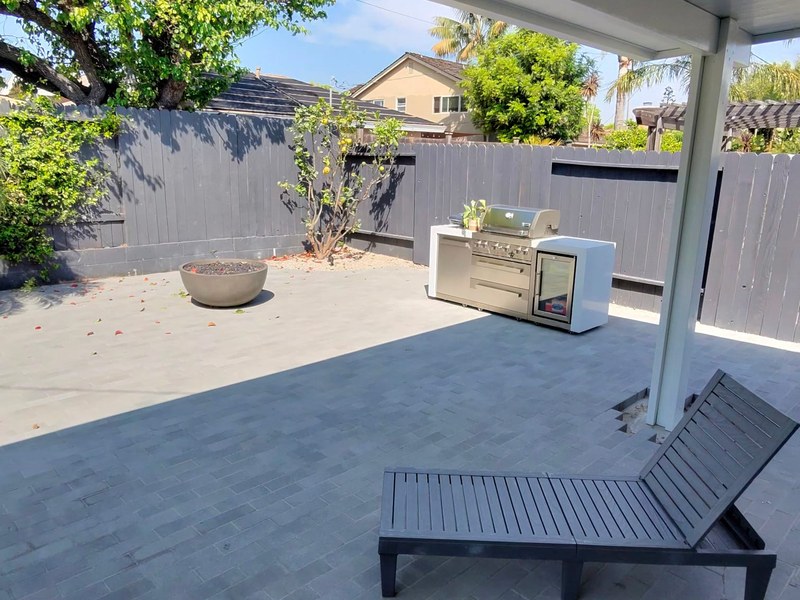
For example, a custom outdoor kitchen may require:
- A gas line for the grill
- Electrical service for appliances
- Water and drainage for a sink
- Lighting connections
- Refrigerator ventilation
- Proper appliance clearances
Adding utilities after hardscape installation can increase labor, delay the project, and damage finished work.
Mistake 10: Hiring a Contractor Based Only on the Lowest Price
The lowest estimate is not always the best value. A lower price may exclude important preparation, drainage, engineering, permits, disposal, material quality, or finishing details.
Before hiring a backyard remodeling contractor, homeowners should compare:
- The complete scope of work
- Material specifications
- Site preparation
- Drainage and grading plans
- Permit responsibilities
- Construction sequencing
- Insurance and licensing
- Communication process
- Local project experience
- Warranty information
Additionally, homeowners should ask whether one company will coordinate the complete project or whether they will need to manage several separate trades.
A design-build company can coordinate planning, construction, utilities, hardscape, pools, landscaping, and final installation through one organized process.
Additional Backyard Remodeling Mistakes to Avoid
Ignoring Long-Term Maintenance
Every outdoor feature has maintenance requirements. Pools need equipment care, plants need irrigation and pruning, pavers may require cleaning, and outdoor appliances need protection.
Therefore, the design should reflect how much maintenance the homeowner is willing to manage.
Low-maintenance options may include drought-conscious planting, durable hardscape, automated irrigation, and professional artificial turf installation.
Using Too Many Unrelated Materials
Combining too many colors, paver styles, wall finishes, and decorative features can make a backyard feel visually disconnected.
Instead, the design should use a coordinated material palette that complements the home’s architecture and creates continuity between patios, walkways, walls, pools, and outdoor structures.
Changing the Design During Construction
Some changes are unavoidable. However, frequent changes after construction begins can affect material orders, labor, utilities, permits, and the overall schedule.
Detailed planning and early material selection help reduce unnecessary change orders.
Forgetting Privacy
Outdoor living areas may feel uncomfortable when neighboring windows, streets, or adjacent properties are fully visible.
Privacy can be improved through:
- Trees and hedges
- Decorative walls
- Custom fencing
- Privacy screens
- Pergolas
- Raised planting beds
Professional landscape design can create privacy while keeping the backyard open, attractive, and connected.
How to Avoid Costly Backyard Remodeling Problems
Homeowners can reduce risk by developing a complete plan before demolition begins.
A strong planning process should include:
- A clearly defined budget
- A complete backyard layout
- Accurate measurements
- Drainage and grading evaluation
- Material selection
- Utility planning
- Permit research
- Lighting and shade design
- Construction sequencing
- A written scope of work
Moreover, homeowners should review the design carefully and discuss how each feature connects to the next phase of construction.
Green Advisor Inc. provides complete outdoor living transformations, helping homeowners coordinate design, planning, construction, hardscape, landscaping, and finishing details.
Why Choose Green Advisor Inc.?
As a trusted design-build company and official Latham Fiberglass Pools installation partner, Green Advisor Inc. provides a seamless experience from concept to completion. Our team handles every stage of the project, including 3D design, planning, permits, construction, and final installation, ensuring exceptional quality, craftsmanship, and attention to detail.
Whether you’re planning a luxury fiberglass pool, custom outdoor kitchen, modern landscape design, paver driveway, patio cover, or complete backyard renovation, Green Advisor Inc. delivers beautiful, functional outdoor spaces that enhance everyday living.
Homeowners throughout Los Angeles, Beverly Hills, Sherman Oaks, Encino, Woodland Hills, Calabasas, Pasadena, Torrance, and surrounding communities trust Green Advisor Inc. for innovative designs, transparent communication, and outstanding results.
Frequently Asked Questions About Backyard Remodeling Mistakes
What is the biggest mistake in backyard remodeling?
One of the biggest mistakes is beginning construction without a complete plan for drainage, grading, layout, materials, lighting, utilities, and long-term use. A backyard may look attractive at first, but poor planning can create problems with water flow, safety, maintenance, and future additions.
Should I hire a professional backyard remodeling contractor?
Yes. Hiring a professional contractor is recommended for larger backyard remodeling projects. A professional can coordinate demolition, grading, drainage, pavers, retaining walls, pool work, utilities, lighting, landscaping, and finishing details safely and correctly.
Why is drainage important in a backyard remodel?
Proper drainage helps prevent standing water, landscape erosion, unstable pavers, artificial turf problems, retaining wall damage, and moisture near the home. Drainage should be planned before finished surfaces are installed.
Do backyard remodeling projects require permits?
Permit requirements depend on the project and jurisdiction. Pools, electrical work, gas lines, plumbing, structural patio covers, and certain retaining walls may require permits, engineering, or inspections.
Should outdoor lighting be planned before construction?
Yes. Lighting should be included during the design phase so wiring, transformers, controls, and fixture locations can be coordinated with pavers, landscaping, walls, patios, and outdoor structures.
What should I look for when hiring a backyard remodeling contractor?
Review the contractor’s experience, licensing, insurance, project scope, material specifications, drainage plan, permit responsibilities, communication process, warranties, and completed local projects. Avoid selecting a contractor based only on the lowest price.
How can I avoid expensive changes during construction?
Develop a complete design, select materials early, confirm utilities, review the scope of work, and make major decisions before demolition begins. Professional 3D planning can also help identify layout conflicts before construction.
Plan Your Backyard Remodel with Confidence
A successful backyard remodel requires more than attractive materials and individual features. It requires careful coordination between design, drainage, grading, utilities, pools, patios, landscaping, lighting, and construction.
By avoiding common backyard remodeling mistakes, homeowners can create a safer, more functional, and longer-lasting outdoor living space.
Green Advisor Inc. provides complete backyard remodeling, pool construction, outdoor kitchens, patio covers, pavers, landscaping, artificial turf, lighting, and driveway remodeling throughout Los Angeles and Southern California.
Contact Green Advisor Inc. to schedule a consultation and begin planning your backyard transformation.